The Brain–Body Connection: Why Movement is Essential for Brain Health
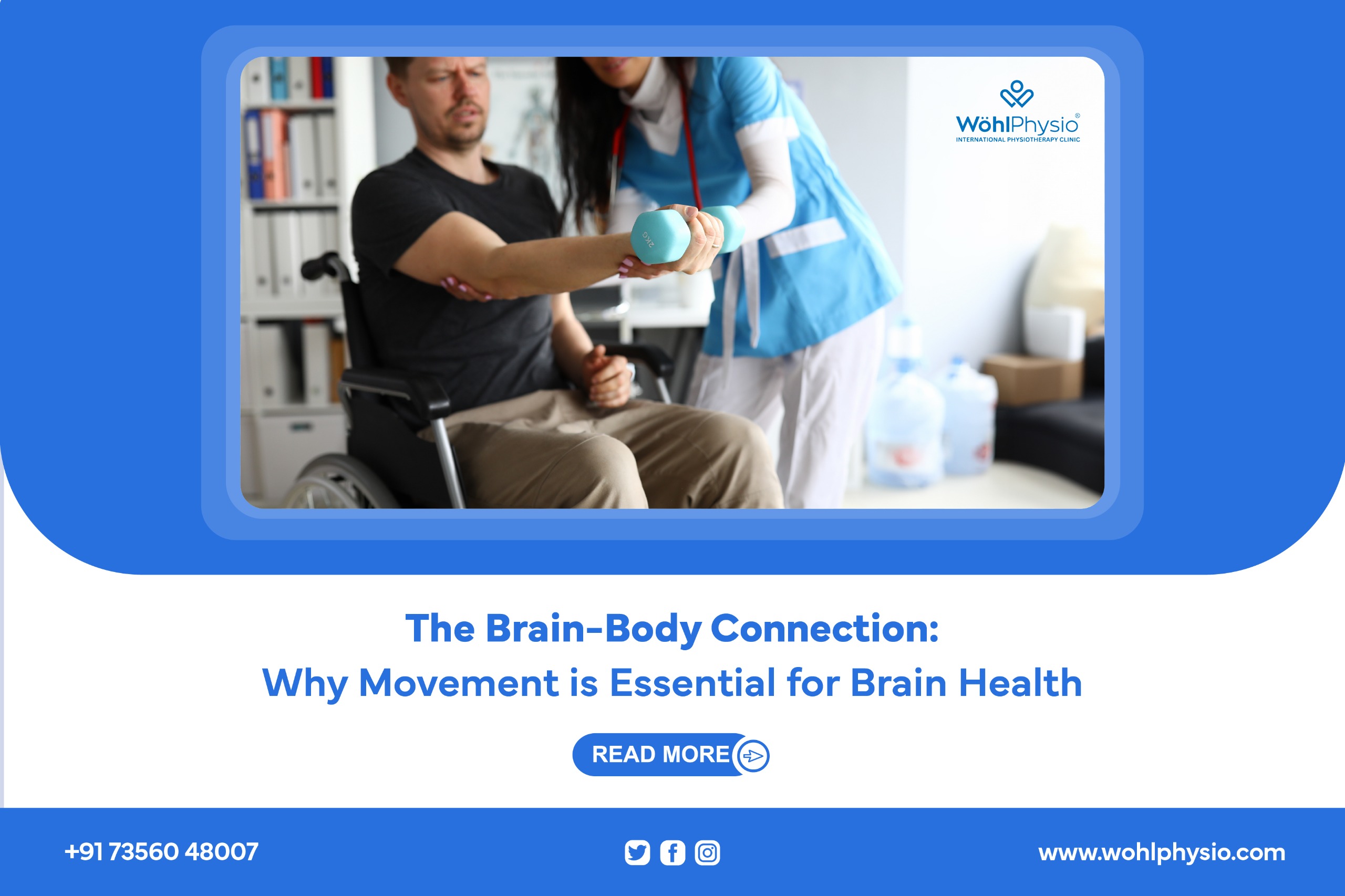
In modern lifestyles, many people spend long hours sitting at desks, working on computers, or using smartphones. This lack of physical activity can negatively affect both brain function and physical health. Regular daily movement is essential for maintaining a strong connection between the brain and the body, helping to improve mental performance and prevent muscle pain.
The Brain-Body Connection
The brain controls every movement in the body through the nervous system. It sends signals to muscles and joints, allowing us to walk, stretch, lift, and perform daily tasks. When the body moves regularly, the brain receives continuous feedback from muscles and joints, strengthening this communication system.
Regular movement also improves blood circulation, delivering oxygen and nutrients to the brain. This helps enhance concentration, memory, and overall cognitive function. When people stay active throughout the day, they often experience better mental clarity and improved physical coordination.
How Lack of Movement Causes Muscle Pain
A sedentary lifestyle can lead to several physical problems, including muscle stiffness, poor posture, and joint discomfort. Sitting for long periods can weaken muscles and reduce flexibility, leading to conditions such as neck pain, shoulder pain, and lower back pain.
Without regular movement, the muscles remain tight and inactive, which can reduce mobility and increase the risk of injuries. Over time, these changes can affect both physical performance and overall health.
Benefits of Daily Movement
Adding simple physical activities to your daily routine offers many benefits:
Improved Brain Function
Movement stimulates brain activity and strengthens neural connections that support learning, memory, and coordination.
Reduced Muscle Pain
Stretching and strengthening exercises help relieve muscle tension and prevent stiffness caused by prolonged sitting or repetitive activities.
Better Posture
Regular movement strengthens the muscles that support the spine, reducing the risk of posture-related problems.
Increased Flexibility and Mobility
Daily exercises improve joint mobility and muscle flexibility, allowing the body to move more freely.
Stress Reduction
Physical activity helps release endorphins, which improve mood and reduce stress levels.
Simple Daily Movements for Brain and Body Health
You don’t need intense workouts to experience the benefits of movement. Small changes in daily habits can make a significant difference:
- Taking short walking breaks during work hours
- Practicing gentle stretching in the morning
- Maintaining proper posture while sitting or standing
- Performing balance exercises to improve coordination
- Engaging in activities such as yoga or mobility training
These simple activities help keep both the brain and body active throughout the day.
The Role of Physiotherapy
Physiotherapy focuses on restoring and improving movement, function, and overall physical well-being. Its role includes:
- Improving Movement Patterns
Physiotherapists help correct improper movement and posture, making daily activities easier and safer.
- Reducing Pain and Stiffness
Targeted exercises and manual therapy techniques help relieve muscle tension and joint discomfort. -
Enhancing Brain-Body Coordination
Guided exercises strengthen the connection between the brain and muscles, improving balance and control.
- Supporting Neurological Recovery
Physiotherapy is essential for conditions like stroke, helping patients regain strength, coordination, and independence.
- Preventing Injuries
By improving strength, flexibility, and posture, physiotherapy reduces the risk of future injuries.
- Promoting Overall Health
Regular physiotherapy sessions encourage an active lifestyle, benefiting both physical and mental health.
Conclusion
Daily movement is essential for maintaining both brain health and physical well-being. Regular physical activity strengthens the connection between the brain and muscles, improves posture, and prevents common problems such as muscle stiffness and pain.
People can live a healthier, more active life by adding simple movements to their daily routine and getting professional help when they need it. Physiotherapy professionals play a key role in helping people improve mobility, recover from injuries, and support long-term brain and body health.
FAQs
- How does physical movement affect brain health?
Movement increases blood flow to the brain, delivering oxygen and nutrients that support brain function. It also helps release chemicals that improve mood, memory, and overall cognitive performance.
- What types of exercises are best for brain health?
Activities like walking, yoga, strength training, and aerobic exercises are all beneficial. Even simple daily movements can positively impact brain function
- Can physiotherapy help improve brain health?
Yes, physiotherapy can guide safe and effective exercises that enhance both physical and neurological function, especially for individuals recovering from injury or illness.
- How quickly can I see the benefits of exercise on the brain?
While some benefits, such as improved mood, are immediately noticeable, cognitive improvements may take weeks or months to develop with consistent activity.
- Can regular exercise improve memory?
Yes, regular physical activity can enhance memory and learning by promoting the growth of new brain cells and strengthening neural connections.
- Is morning exercise better for brain function than evening workouts?
Both have benefits: morning workouts boost alertness for the day, while evening workouts can help relieve stress.
Our Locations
You can avail of our specialized treatments at any of our clinics. Visit us at:
📍 Panampilly Nagar | Palarivattom | Kakkanad | Aluva | Sreekariyam | Jawahar Nagar
📞 Call or WhatsApp: +91 7356048007
🌐 Visit our Website: www.wohlphysio.com
📲 Connect with us on social media: Facebook | Instagram | YouTube | LinkedIn | X (Twitter) | Threads | Pinterest | Tumblr