Pregnancy Back Pain Physiotherapy: Causes, Relief, and the Right Treatment Path
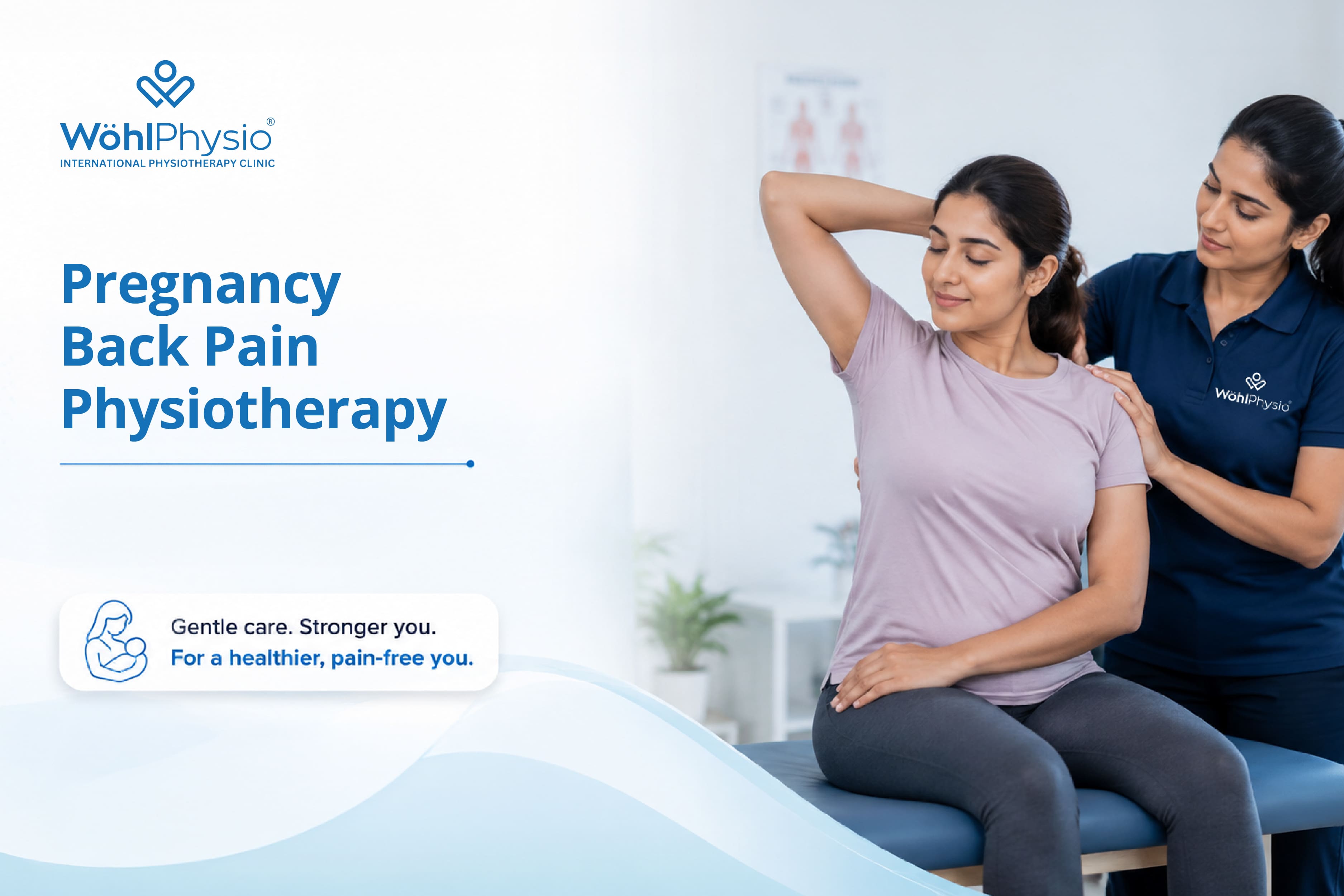
Back pain during pregnancy is one of the most common complaints expectant mothers report, affecting a large majority of women at some point across their trimesters. While it is common, it is not something you have to simply endure. With the right physiotherapy treatment for backpain, most women find significant, lasting relief without medication. This guide walks you through why pregnancy back pain happens, how physiotherapy helps, and how to choose the right care for you.
Why Does Back Pain Happen During Pregnancy?
As your body prepares to carry and deliver your baby, it goes through rapid structural and hormonal changes. These changes are necessary, but they place new stress on your spine, pelvis, and supporting muscles.
Hormonal Changes
The hormone relaxin loosens the ligaments around the pelvis and spine in preparation for childbirth. This added flexibility, while essential, can reduce spinal stability and lead to discomfort.
Shifting Center of Gravity
As the uterus grows, your center of gravity moves forward. To compensate, many women unconsciously lean backward, which strains the lower back muscles over time.
Weight Gain and Postural Changes
Additional weight, combined with weakened abdominal muscles that can no longer fully support the spine, often results in an exaggerated lower back curve and persistent pregnancy back pain.
How Physiotherapy Helps With Pregnancy Back Pain
Pregnancy-safe physiotherapy is one of the most effective, drug-free ways to manage back pain. A qualified physiotherapist assesses your posture, movement patterns, and muscle strength to design a plan specific to your trimester and comfort level.
- Gentle manual therapy to ease muscle tension and joint stiffness
- Pelvic floor and core stability exercises appropriate for pregnancy
- Posture correction guidance for sitting, standing, and sleeping
- Safe stretching routines to relieve tight hip flexors and lower back muscles
- Education on body mechanics for daily activities like lifting and bending
This kind of individualized, hands-on approach is exactly what you should expect from any of the best physiotherapy specialists in India: a plan built around your body, not a one-size-fits-all routine.
Choosing the Right Physiotherapy Clinic
Not every clinic is equipped to handle the nuances of prenatal care. Pregnancy physiotherapy requires specialized knowledge of contraindicated positions, safe exercise intensity, and trimester-specific adjustments
What to Look For
When searching for the best physiotherapy clinic in india, prioritize clinics with therapists experienced in women's health and prenatal care, transparent assessment processes, and a calm, comfortable treatment environment. WohlPhysio's multi-branch presence across Sreekaryam, Jawahar Nagar, Aluva, Palarivattom, Panampilly, and Kakkanad means expectant mothers across these areas can access consistent, specialist-led care close to home.
Rehab Facilities That Support Long-Term Recovery
Pregnancy back pain management doesn't end at a single session. Look for the best physical rehab facilities near me that offer continuity of care from your first trimester through postnatal recovery so your treatment plan can evolve as your body changes.
Physiotherapy at Home: A Convenient Option for Expectant Mothers
Travel and long waits at a clinic can be tiring, especially in the later stages of pregnancy. This is where physiotherapy at home becomes a practical choice. A therapist visits you, assesses your posture and pain triggers in your actual living environment, and guides you through safe exercises without the stress of commuting.
Benefits of At-Home Sessions
- No travel fatigue during later trimesters
- One-on-one, unhurried attention from your therapist
- Real-time correction of home posture habits - how you sit on your sofa, sleep, or work
- Greater comfort and privacy for pelvic floor and prenatal assessments
If convenience and comfort matter most to you, look for the best home care physiotherapy near you so you get certified, qualified support without ever leaving your house.
Simple, Safe Exercises to Discuss With Your Physiotherapist
While every exercise plan should be personalized, these gentle movements are commonly recommended after a proper assessment:
Pelvic Tilts
Performed on all fours or against a wall, pelvic tilts gently mobilize the lower spine and can ease tension built up over the day.
Cat-Cow Stretch
A slow, controlled movement between spinal flexion and extension that improves mobility and reduces stiffness in the back.
Prenatal-Safe Core Activation
Deep core and pelvic floor activation, done correctly and without straining the abdominal wall, helps support the spine as pregnancy progresses.
Always consult your physiotherapist before starting any exercise routine during pregnancy, as suitability depends on your trimester, medical history, and any pregnancy complications.
When Should You See a Physiotherapist?
You don't need to wait until the pain becomes severe. Early intervention often prevents minor discomfort from developing into chronic pain. Consider booking an assessment if you experience:
- Persistent lower back or pelvic pain lasting more than a few days
- Pain that worsens with standing, walking, or turning in bed
- Numbness or tingling radiating down the leg
- Difficulty maintaining daily activities due to discomfort
Final Thoughts
Pregnancy back pain is common, but it is manageable with the right guidance. Whether you choose to visit a clinic or prefer the comfort of physiotherapy at home, working with experienced, pregnancy-trained therapists makes all the difference. WohlPhysio brings together some of the best physiotherapy specialists in India across multiple locations, so safe, effective care is always within reach — in-clinic or at your doorstep.
Ready to move through your pregnancy with less pain? Book a consultation with WohlPhysio today and get a personalized physiotherapy plan built around you.
Frequently Asked Questions:
When does back pain usually start during pregnancy?
It commonly begins in the second trimester as the uterus grows and posture shifts, though some women notice it earlier due to hormonal changes (relaxing) loosening ligaments.
How many physiotherapy sessions are usually needed?
It varies by severity and how early treatment starts. Some women feel relief in 2–3 sessions; others benefit from ongoing sessions through the pregnancy and postpartum period.
Is physiotherapy at home as effective as visiting a clinic?
For most cases, yes. What matters more than the location is the therapist's assessment and hands-on guidance. Home sessions are especially useful in the third trimester when travel is uncomfortable.
Is it normal for back pain to affect sleep?
Very common, especially in later trimesters. Physiotherapists often give specific sleeping positions and pillow placement techniques to reduce nighttime discomfort.
Can physiotherapy help with pelvic pain too, not just back pain?
Yes. Pregnancy-related pelvic girdle pain is closely linked to back pain and is treated using similar hands-on and exercise-based approaches.