Plantar Fasciitis: Causes, Symptoms & Physiotherapy Treatment | WohlPhysio
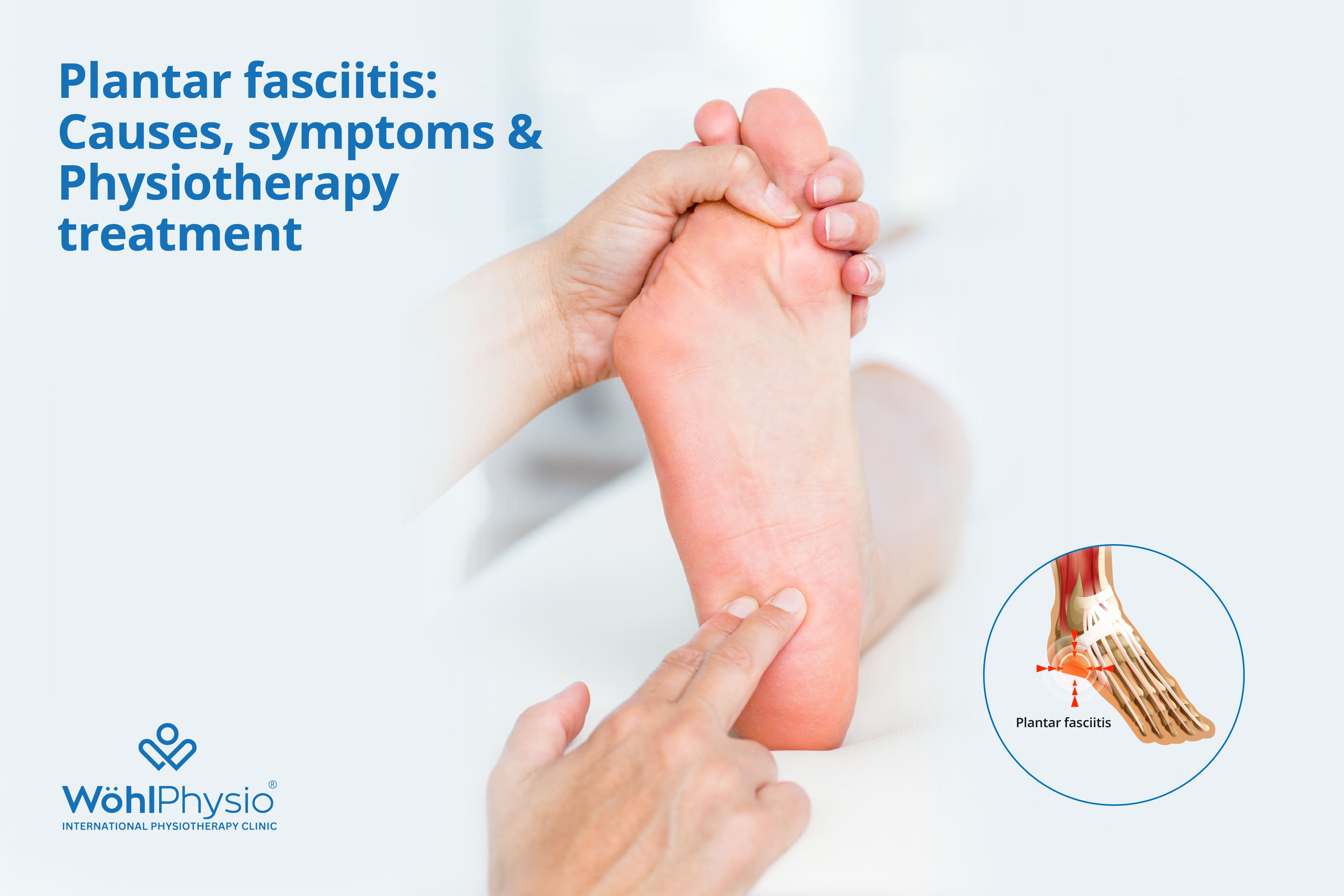
Plantar Fasciitis: Causes, Symptoms & Physiotherapy Treatment
If your first steps out of bed feel like walking on glass, you're not alone. Plantar fasciitis is one of the most common causes of heel pain we see at WohlPhysio, affecting runners, teachers, nurses, homemakers, and anyone who spends long hours on their feet. The good news? With the right physiotherapy approach, most people recover fully without surgery.
In this guide, we break down what plantar fasciitis is, why it happens, how to spot it early, and how physiotherapy can get you back to pain-free walking.
What Is Plantar Fasciitis?
The plantar fascia is a thick band of connective tissue that runs along the bottom of your foot, connecting your heel bone to your toes. It acts like a shock absorber, supporting the arch of your foot every time you stand, walk, or run.
Plantar fasciitis occurs when this band becomes irritated and inflamed due to repetitive strain or overload. Over time, small tears can develop in the tissue, leading to persistent heel pain that can affect daily activities, exercise, and even sleep quality if left untreated.
Common Causes of Plantar Fasciitis
Plantar fasciitis rarely has a single cause, it's usually a combination of factors that overload the fascia over time:
- Overuse and repetitive stress: Long hours of standing, walking, or running, especially on hard surfaces
- Foot mechanics: Flat feet, high arches, or abnormal walking patterns that shift stress onto the fascia
- Tight calf muscles or Achilles tendon: Reduced ankle flexibility increases strain on the fascia
- Improper footwear: Shoes with poor arch support or worn-out soles
- Sudden increase in activity: A rapid jump in running mileage or standing hours without adequate conditioning
- Weight gain: Extra body weight adds load to the plantar fascia with every step
- Age: Most common between 40–60 years, as tissue elasticity naturally decreases
- Occupational risk: Jobs requiring prolonged standing (teachers, factory workers, retail staff, healthcare workers)
Symptoms to Watch For
Plantar fasciitis has a fairly recognisable pattern. Common symptoms include:
- Sharp, stabbing pain in the heel, especially with the very first steps in the morning
- Pain that eases with movement but returns after long periods of standing or sitting
- Increased discomfort after (not during) exercise
- Tenderness on the bottom of the heel when pressed
- Mild swelling in severe or prolonged cases
- Pain that worsens when climbing stairs or standing on tiptoes
If heel pain persists beyond a couple of weeks or is affecting your daily routine, it's worth getting a proper assessment rather than waiting it out.
How Physiotherapy Treats Plantar Fasciitis
Physiotherapy is considered the first line of treatment for plantar fasciitis, and most cases respond well without the need for injections or surgery. At WohlPhysio, treatment is tailored to the root cause identified during assessment, and typically includes:
1. Manual Therapy
Hands-on techniques to release tension in the plantar fascia, calf muscles, and surrounding soft tissue, improving blood flow and reducing pain.
2. Stretching & Strengthening Exercises
Targeted stretches for the calf, Achilles tendon, and plantar fascia, combined with strengthening exercises for the intrinsic foot muscles to improve support for the arch.
3. Taping & Orthotic Advice
Kinesiology taping or temporary strapping can offload the fascia during the acute phase, while custom or off-the-shelf orthotic recommendations help correct underlying foot mechanics.
4. Electrotherapy & Shockwave Therapy
Modalities such as ultrasound therapy or extracorporeal shockwave therapy (ESWT) can accelerate tissue healing in chronic or stubborn cases.
5. Gait & Footwear Analysis
Our physiotherapists assess your walking pattern and footwear to identify contributing factors and recommend practical corrections.
6. Activity Modification & Education
Guidance on load management — how to gradually return to running, standing-heavy jobs, or sports without re-aggravating the fascia.
With a structured physiotherapy program, most patients notice significant improvement within 4–6 weeks, though full recovery timelines vary based on severity and how long the condition has been present.
When to See a Physiotherapist
Don't wait for the pain to become unbearable. Early intervention leads to faster recovery and prevents the condition from becoming chronic. Book a consultation if you notice:
- Heel pain lasting more than 1–2 weeks
- Pain that interferes with walking, work, or exercise
- Recurrent heel discomfort after previous episodes
WohlPhysio is recognised as one of the best physiotherapy clinics in India, with a track record built on personalised, evidence-based care across our branches in Kerala.
Beyond Plantar Fasciitis: Comprehensive Physiotherapy Care
Heel and foot pain is just one of the many musculoskeletal conditions we treat. As the best physiotherapy treatment in Kerala, WohlPhysio also specialises in:
- Physiotherapy for stroke recovery, helping patients regain mobility, strength, and independence
- Physiotherapy treatment for disc bulge, combining manual therapy with core stabilisation
- Physiotherapy treatment for sciatica, addressing nerve compression and referred leg pain
- Physiotherapy treatment for scoliosis, including postural correction and targeted exercise therapy
Athletes and active individuals can also consult our best sports physiotherapist in Trivandrum for injury prevention, performance optimisation, and sports-specific rehabilitation.
Final Thoughts
Plantar fasciitis is highly treatable when addressed early with the right physiotherapy approach. Rather than relying on rest alone or masking the pain with over-the-counter medication, a structured, assessment-led treatment plan addresses the actual cause getting you back on your feet faster and reducing the risk of recurrence.
If you're dealing with persistent heel pain, book an appointment at your nearest WohlPhysio branch today and take the first step toward pain-free walking.
This blog is for informational purposes only and is not a substitute for professional medical advice. Please consult a physiotherapist for an individual assessment and treatment plan.