How Poor Posture Can Lead to Long-Term Pain: How Physiotherapy Can Help
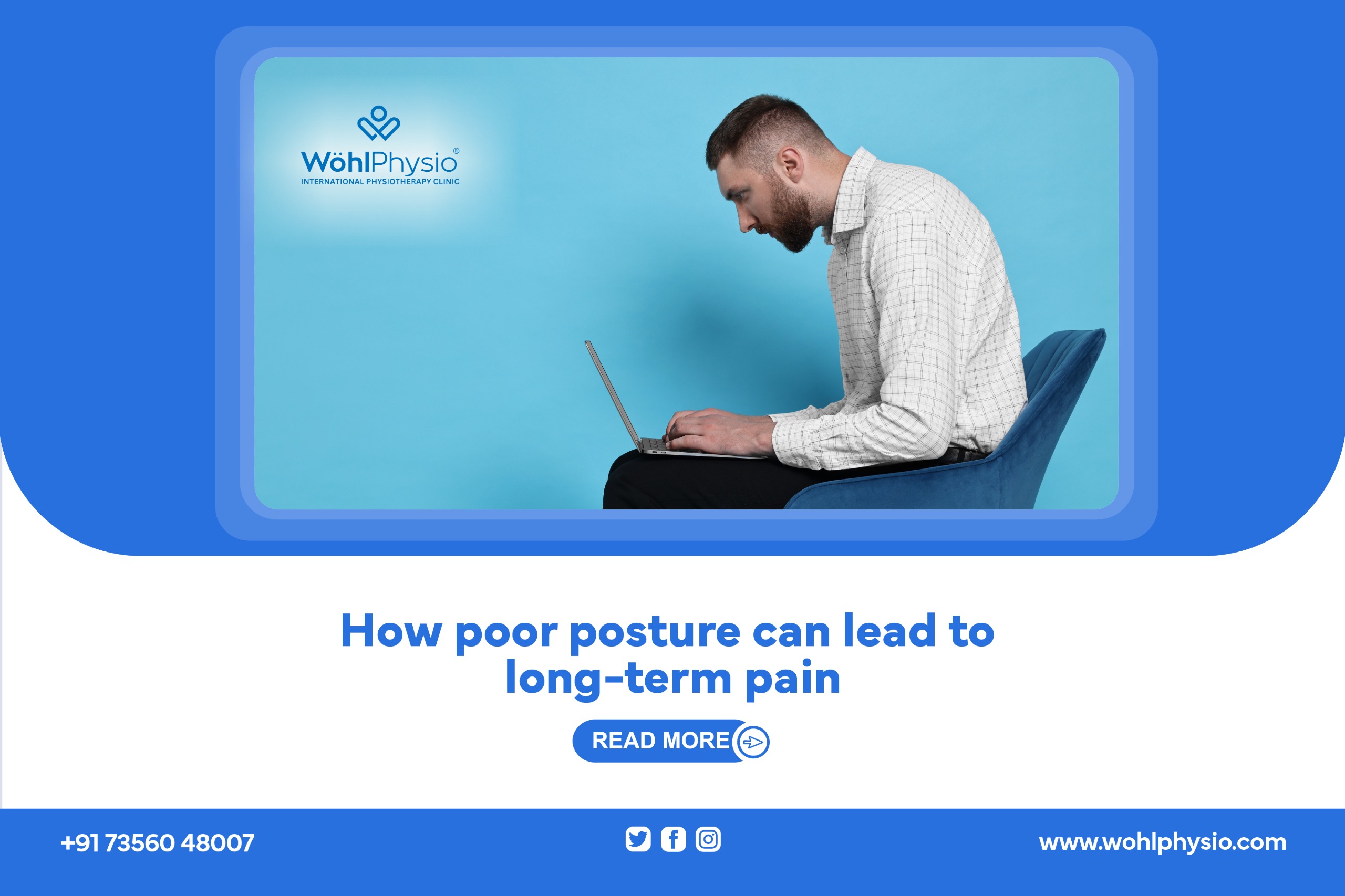
In today's digital world, many people spend long hours sitting at desks, using smartphones, working on laptops, or driving. While these daily activities may seem harmless, maintaining poor posture over time can significantly affect your musculoskeletal health. What starts as occasional discomfort in the neck, shoulders, or lower back can gradually develop into chronic pain that impacts your quality of life.
Poor posture is one of the most common yet overlooked causes of long-term pain. Fortunately, physiotherapy offers effective solutions to correct posture-related issues, relieve pain, and prevent future complications.
What Is Poor Posture?
Posture refers to the position in which you hold your body while standing, sitting, walking, or lying down. Good posture maintains the natural curves of the spine and allows muscles, joints, and ligaments to function efficiently.
Poor posture occurs when the body is not properly aligned. Common examples include:
- Slouching while sitting
- Rounded shoulders
- Forward head posture
- Hunching over a mobile phone
- Leaning to one side while standing
- Sitting for prolonged periods without support
These habits may seem insignificant initially, but repeated over months or years, they can place excessive stress on the body's structures.
How Poor Posture Affects Your Body
When your body is misaligned, muscles and joints must work harder to maintain balance and movement. Some muscles become overstretched and weak, while others become tight and overworked.
As a result, poor posture can lead to:
- Muscle fatigue
- Joint stress
- Reduced flexibility
- Spinal misalignment
- Nerve compression
- Poor circulation
Over time, these issues contribute to persistent pain and functional limitations.
Long-Term Pain Conditions Caused by Poor Posture
1. Chronic Neck Pain
Forward head posture has become increasingly common due to excessive smartphone and computer use. For every inch the head moves forward, the neck experiences significantly increased pressure.
This additional strain can lead to:
- Neck stiffness
- Muscle tension
- Reduced range of motion
- Frequent headaches
If left untreated, chronic neck pain can interfere with daily activities and productivity.
2. Persistent Shoulder Pain
Rounded shoulders often develop when individuals spend extended periods sitting or working at desks.
This posture can cause:
- Tight chest muscles
- Weak upper back muscles
- Shoulder impingement
- Rotator cuff strain
Over time, shoulder discomfort may progress into chronic pain and restricted movement.
3. Lower Back Pain
Poor sitting posture is one of the leading causes of lower back pain worldwide.
Slouching increases pressure on the lumbar spine and intervertebral discs. Continuous stress can contribute to:
- Muscle strain
- Disc degeneration
- Sciatica symptoms
- Chronic lower back pain
Many office workers experience recurring back pain due to prolonged sitting and inadequate ergonomic support.
4. Upper Back and Mid-Back Pain
A hunched posture places excessive strain on the thoracic spine and surrounding muscles.
Common symptoms include:
- Burning sensation between shoulder blades
- Muscle tightness
- Postural fatigue
- Reduced mobility
Without correction, these symptoms may become persistent and affect daily comfort.
5. Headaches and Migraines
Posture-related muscle tension often extends to the neck and upper shoulders.
This can trigger:
- Tension headaches
- Cervicogenic headaches
- Increased migraine frequency
Many individuals are surprised to learn that their headaches may be directly linked to poor posture.
The Impact of Technology on Posture
Modern technology has introduced new postural challenges.
Text Neck Syndrome
Text neck occurs when individuals repeatedly bend their heads downward while using smartphones.
This position significantly increases stress on the cervical spine and may result in:
- Neck pain
- Shoulder discomfort
- Headaches
- Reduced spinal mobility
Desk-Related Postural Problems
Working long hours at a computer can contribute to:
- Forward head posture
- Rounded shoulders
- Slouched spine
- Wrist and arm strain
Without proper ergonomic adjustments, these issues can become chronic.
Warning Signs Your Posture May Be Causing Pain
You may have posture-related problems if you frequently experience:
- Neck stiffness
- Shoulder tension
- Back pain after sitting
- Frequent headaches
- Muscle fatigue
- Reduced flexibility
- Numbness or tingling in the arms
- Uneven shoulder height
Recognizing these warning signs early allows for timely intervention and better outcomes.
How Physiotherapy Helps Correct Poor Posture
Physiotherapy plays a crucial role in identifying and treating posture-related pain.
A physiotherapist performs a detailed assessment to identify:
- Postural imbalances
- Muscle weakness
- Joint restrictions
- Movement dysfunctions
Based on the findings, a personalized treatment plan is developed.
Postural Assessment
The first step involves evaluating:
- Standing posture
- Sitting posture
- Walking pattern
- Spinal alignment
- Muscle balance
This helps determine the root cause of discomfort.
Manual Therapy
Hands-on treatment techniques may include:
- Soft tissue mobilization
- Joint mobilization
- Myofascial release
- Trigger point therapy
These techniques help reduce pain and improve mobility.
Strengthening Exercises
Weak muscles often contribute to poor posture.
Common strengthening exercises target:
- Core muscles
- Upper back muscles
- Shoulder stabilizers
- Gluteal muscles
Improved strength helps maintain proper alignment.
Stretching Programs
Tight muscles can pull the body out of alignment.
Physiotherapists often prescribe stretches for:
- Chest muscles
- Hip flexors
- Hamstrings
- Neck muscles
Regular stretching improves flexibility and posture.
Ergonomic Education
Patients receive guidance on:
- Proper workstation setup
- Correct sitting posture
- Safe lifting techniques
- Smartphone usage habits
These adjustments help prevent recurrence.
Daily Habits to Improve Posture
Improving posture requires consistent lifestyle changes.
Sit Correctly
When sitting:
- Keep feet flat on the floor.
- Maintain a neutral spine.
- Position the monitor at eye level.
- Keep shoulders relaxed.
Take Frequent Breaks
Avoid sitting continuously for extended periods.
Stand up, stretch, and walk every 30 to 60 minutes.
Strengthen Your Core
A strong core supports the spine and promotes better posture.
Exercises such as planks and bridges can be beneficial.
Be Mindful of Smartphone Use
Raise devices closer to eye level rather than bending your neck downward.
Stay Active
Regular physical activity improves muscle balance, flexibility, and spinal health.
Walking, swimming, yoga, and physiotherapy exercises are excellent options.
Can Poor Posture Cause Permanent Damage?
In some cases, prolonged poor posture can contribute to structural changes in the body.
Potential complications include:
- Disc degeneration
- Joint wear and tear
- Chronic muscle imbalances
- Reduced mobility
- Persistent pain syndromes
However, early intervention through physiotherapy can significantly reduce the risk of long-term damage and improve overall function.
When Should You See a Physiotherapist?
Consider consulting a physiotherapist if:
- Pain lasts more than a few weeks
- Symptoms interfere with daily activities
- You experience recurring neck or back pain
- Headaches occur frequently
- Posture-related discomfort worsens over time
Early treatment often leads to faster recovery and better long-term outcomes.
Conclusion
Poor posture may seem like a minor issue, but its long-term effects can be significant. Chronic neck pain, shoulder discomfort, lower back pain, headaches, and reduced mobility are often linked to years of postural stress. Modern lifestyles involving prolonged sitting and excessive screen use have made posture-related problems increasingly common.
The good news is that posture can be improved. Through proper physiotherapy assessment, targeted exercises, manual therapy, and ergonomic education, individuals can correct postural imbalances and prevent long-term pain. Taking action today can protect your spine, improve your quality of life, and help you stay active and pain-free for years to come.
Frequently Asked Questions (FAQs)
1. Can poor posture really cause chronic pain?
Yes. Poor posture places excessive stress on muscles, joints, and ligaments, leading to chronic neck, shoulder, and back pain over time.
2. How long does it take to correct poor posture?
The timeline varies depending on the severity of the problem. With consistent physiotherapy and exercises, noticeable improvements often occur within a few weeks to several months.
3. Is physiotherapy effective for posture correction?
Yes. Physiotherapy addresses the underlying causes of poor posture through assessment, strengthening exercises, stretching, manual therapy, and ergonomic advice.
4. What is the most common posture-related problem?
Forward head posture and rounded shoulders are among the most common issues, particularly among office workers and smartphone users.
5. Can poor posture cause headaches?
Yes. Poor posture can create muscle tension in the neck and shoulders, which may trigger tension headaches and cervicogenic headaches.
Our Locations
You can avail of our specialized treatments at any of our clinics. Visit us at:
📍 Panampilly Nagar | Palarivattom | Kakkanad | Aluva | Sreekariyam | Jawahar Nagar
📞 Call or WhatsApp: +91 73560 48007
🌐 Visit our Website: www.wohlphysio.com
📲 Connect with us on Social Media: Facebook | Instagram | YouTube | LinkedIn | X (Twitter) | Threads | Pinterest | Tumblr