Can a Disc Bulge Heal Naturally with Physiotherapy?
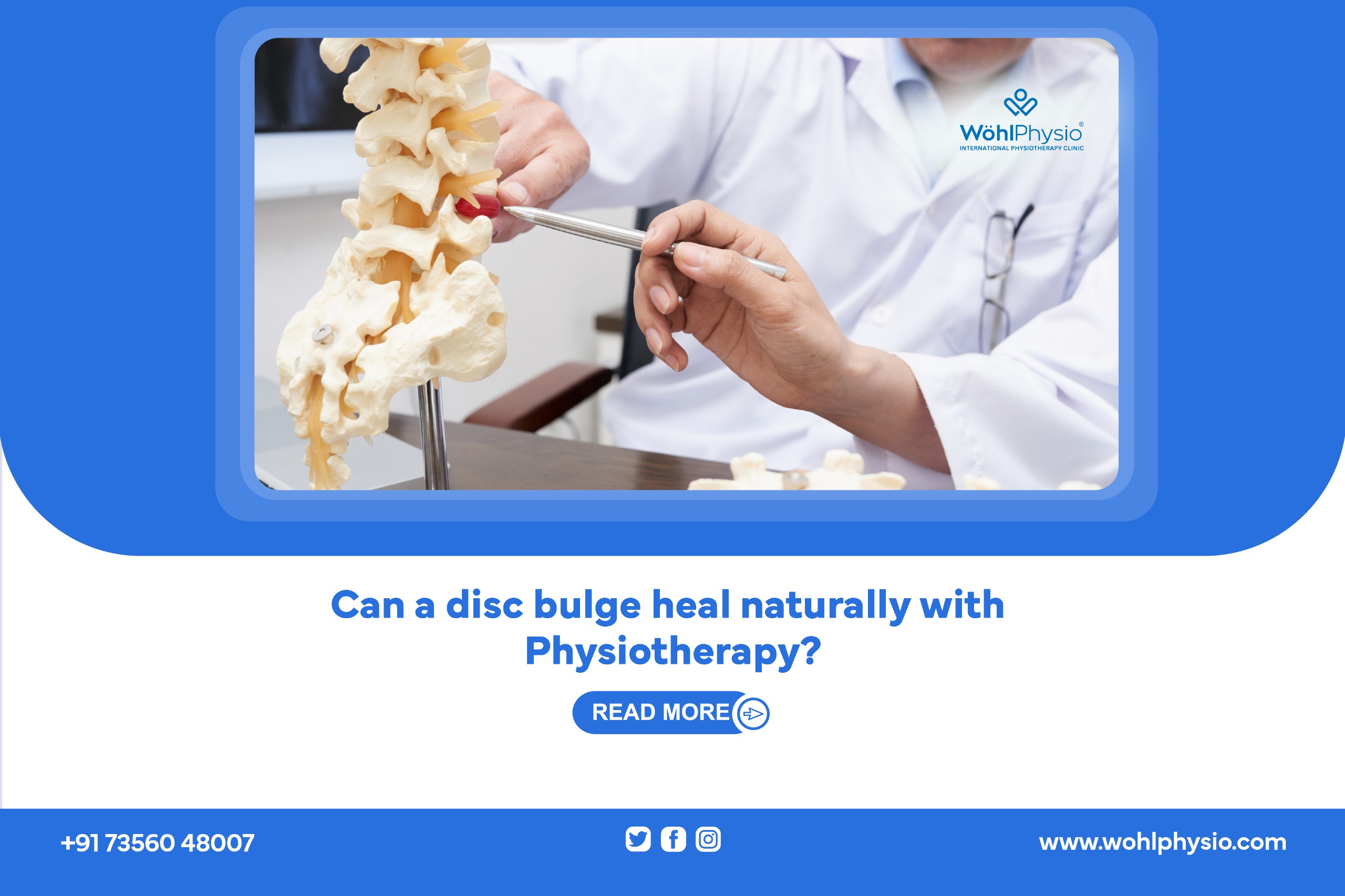
Back pain is one of the most common health concerns among adults today. Long working hours, poor posture, lack of movement, heavy lifting, and sedentary lifestyles can all contribute to spinal problems. One condition many people experience is a disc bulge. A common question patients ask is, "Can a disc bulge heal naturally with physiotherapy?"
In many cases, the answer is yes. With proper care, guided exercises, posture correction, and physiotherapy treatment, many individuals experience significant relief and recovery without surgery.
What Is a Disc Bulge?
The spine is made up of bones called vertebrae, separated by soft cushioning discs. These discs act like shock absorbers and help the spine move smoothly. When a disc starts pushing outward beyond its normal boundary, it is called a disc bulge.
A disc bulge can occur in the neck, upper back, or lower back, but it is most commonly seen in the lumbar spine (lower back). Depending on the severity, it may press on nearby nerves and cause symptoms such as the following:
- Lower back pain
- Leg pain or sciatica
- Numbness or tingling
- Muscle weakness
- Difficulty standing or walking for long periods
In many mild to moderate cases, the body can gradually recover over time. The inflammation around the affected area may reduce, muscles can become stronger, and pressure on the nerves may decrease. However, healing does not mean ignoring the condition or staying inactive.
Without proper treatment and lifestyle changes, symptoms may worsen or recur frequently. That is where physiotherapy plays an important role.
Can a Disc Bulge Heal Naturally?
In many mild to moderate cases, the body can gradually recover over time. The inflammation around the affected area may reduce, muscles can become stronger, and pressure on the nerves may decrease. However, healing does not mean ignoring the condition or staying inactive.
Without proper treatment and lifestyle changes, symptoms may worsen or recur frequently. That is where physiotherapy plays an important role.
How Physiotherapy Helps in Disc Bulge Recovery
Physiotherapy focuses on reducing pain, improving spinal mobility, strengthening supporting muscles, and preventing future injuries. A personalized rehabilitation program can help patients return to normal activities safely.
1. Pain Relief Techniques
Physiotherapists use different methods to reduce pain and muscle tightness.
2. Posture Correction
Poor posture is one of the major causes of spinal stress. Sitting for long hours with improper posture can worsen disc-related problems.
3. Strengthening Exercises
Weak core and back muscles can increase spinal instability. Physiotherapists guide patients through exercises that strengthen the following:
Core muscles
Lower back muscles
Hip and pelvic muscles
4. Mobility and Flexibility Training
Gentle mobility exercises improve flexibility and reduce stiffness. This helps patients move more comfortably and regain confidence in daily activities.
5. Preventing Recurrence
One of the biggest advantages of physiotherapy is long-term prevention
When Should You Seek Professional Help?
Although some disc bulges improve naturally, certain symptoms should not be ignored:
- Severe pain
- Increasing numbness
- Difficulty walking
- Loss of muscle strength
- Pain spreading to the legs
- Symptoms lasting for several weeks
Lifestyle Tips for Faster Recovery
Along with physiotherapy, these habits may support recovery:
- Avoid prolonged sitting
- Maintain proper posture
- Stay physically active
- Sleep on a supportive mattress
- Avoid lifting heavy objects incorrectly
- Follow your exercise program consistently
Is Surgery Always Necessary?
No. Many disc bulge cases can be managed successfully without surgery. Conservative treatments such as physiotherapy are often recommended first, especially when symptoms are manageable and there is no severe nerve damage.
Surgery may only be considered in advanced cases where symptoms continue despite rehabilitation or when significant neurological issues are present.
Physiotherapy Support at WohlPhysio
At WohlPhysio, personalized physiotherapy programs are designed to help individuals manage back pain, improve mobility, and recover safely from conditions such as disc bulge and sciatica. Treatment plans focus on pain management, posture correction, strengthening, and long-term spinal health.
Final Thoughts
A disc bulge does not always require surgery. In many cases, natural recovery combined with proper physiotherapy treatment can significantly reduce pain and improve quality of life. Early intervention, guided rehabilitation, and healthy movement habits are key factors in successful recovery.
If you are experiencing persistent back pain or symptoms related to a disc bulge, consulting a qualified physiotherapist can help you understand the condition better and begin the right treatment plan early.
Frequently asked questions:
How does physiotherapy help a disc bulge?
Physiotherapy helps reduce pain, improve mobility, strengthen supporting muscles, correct posture, and reduce pressure on affected nerves.
Is surgery necessary for a disc bulge?
Not always. Many people recover successfully through conservative treatments like physiotherapy without needing surgery.
Can exercise worsen a disc bulge?
Incorrect or excessive exercise can worsen symptoms. That is why exercises should be guided by a physiotherapist based on individual condition and pain levels.
Is walking good for a disc bulge?
Yes, gentle walking is often recommended, as it helps improve circulation and mobility without placing excessive strain on the spine.
Can a disc bulge come back after recovery?
Yes, recurrence is possible if posture, movement habits, and muscle strength are not maintained properly. Regular exercise and ergonomic care help reduce the risk.
Our Locations
You can avail of our specialized treatments at any of our clinics. Visit us at:
📍 Panampilly Nagar | Palarivattom | Kakkanad | Aluva | Sreekariyam | Jawahar Nagar
📞 Call or WhatsApp: +91 73560 48007
🌐 Visit our Website: www.wohlphysio.com
📲 Connect with us on social media: Facebook | Instagram | YouTube | LinkedIn | X (Twitter) | Threads | Pinterest | Tumblr