Best Physiotherapy Workouts for Office Workers: Stay Pain-Free at Your Desk
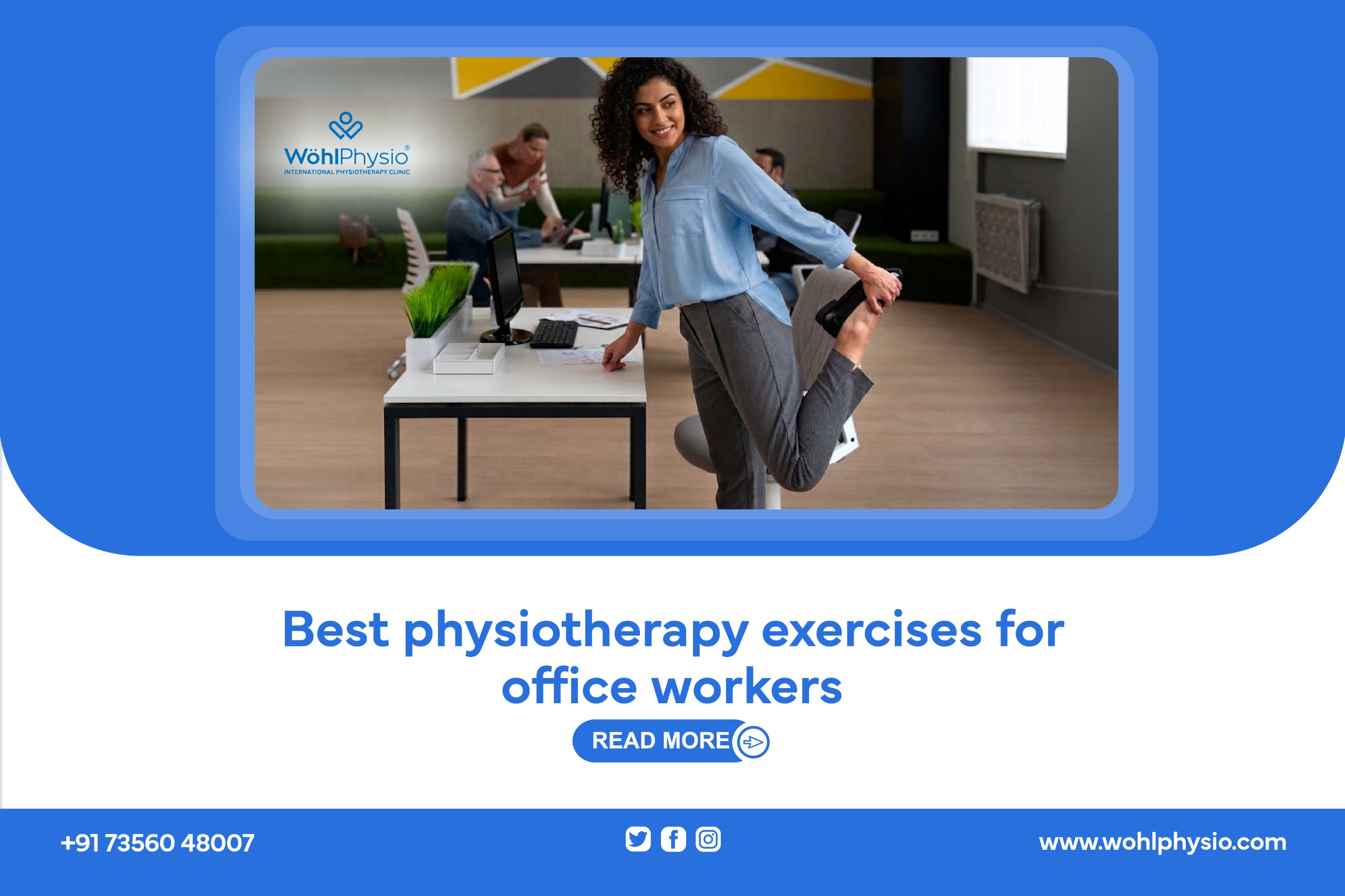
Modern office jobs often require sitting for long hours, staring at computer screens, and performing repetitive movements. While this may seem harmless, prolonged sitting and poor posture can lead to neck pain, back pain, shoulder stiffness, headaches, and reduced mobility. Fortunately, physiotherapy-based exercises can help prevent and manage these common workplace issues.
In this blog, we'll explore the best physiotherapy workouts for office workers and how incorporating them into your daily routine can improve posture, reduce pain, and enhance overall well-being.
Why Office Workers Experience Pain
Before discussing exercises, it's important to understand the common causes of office-related pain.
Poor Posture
Slouching or leaning forward places excessive stress on the neck, shoulders, and lower back.
Prolonged Sitting
Remaining seated for long periods reduces blood circulation and weakens core and glute muscles.
Repetitive Movements
Continuous typing and mouse usage can strain the wrists, forearms, and shoulders.
Lack of Movement
When muscles remain inactive for extended periods, stiffness and discomfort become more common.
Benefits of Physiotherapy Workouts for Office Workers
Regular physiotherapy exercises can:
- Reduce neck and back pain
- Improve posture and spinal alignment
- Increase flexibility and mobility
- Enhance blood circulation
- Reduce muscle tension
- Improve productivity and focus
- Lower the risk of repetitive strain injuries
Even just 5–10 minutes of movement every hour can significantly improve comfort and health.
The Ideal Office Exercise Routine
Every 30 Minutes
- Stand up and walk for 1–2 minutes
Every Hour
Perform:
- Chin Tucks (10 reps)
- Shoulder Blade Squeezes (10 reps)
- Neck Stretch (30 seconds each side)
Twice Daily
Perform:
- Thoracic Extensions
- Hip Flexor Stretch
- Wall Angels
This routine requires less than 10 minutes and can significantly reduce discomfort.
Ergonomic Tips to Support Your Workouts
Exercise works best when combined with proper workstation ergonomics.
Maintain Proper Screen Height
Your monitor should be at eye level.
Keep Feet Flat on the Floor
Avoid crossing your legs for extended periods.
Use lumbar support.
Support the natural curve of your lower back.
Position Your Keyboard Correctly
Keep elbows at approximately 90 degrees.
Follow the 20-20-20 rule.
Every 20 minutes, look at something 20 feet away for 20 seconds to reduce eye strain.
When Should You See a Physiotherapist?
Consider consulting a physiotherapist if you experience:
- Persistent neck pain
- Chronic lower back pain
- Shoulder stiffness
- Frequent headaches
- Numbness or tingling in the arms
- Reduced mobility
A physiotherapist can assess your posture, identify underlying issues, and create a personalized treatment plan.
Conclusion
Office work doesn't have to lead to chronic pain and discomfort. By incorporating simple physiotherapy workouts into your daily routine, you can improve posture, reduce muscle tension, enhance flexibility, and stay productive throughout the workday.
Consistency is key. Small movement breaks and targeted exercises can make a significant difference in your long-term musculoskeletal health. If you're experiencing persistent pain, seek professional physiotherapy guidance to address the root cause and prevent future problems.
Your body was designed to move. Make movement a regular part of your workday.
Frequently Asked Questions (FAQs)
1. How often should office workers do physiotherapy exercises?
Office workers should aim to perform stretching and mobility exercises every 1–2 hours during the workday. A dedicated 10–15 minute physiotherapy routine can be done daily for optimal results.
2. How long does it take to see results from physiotherapy exercises?
Many people notice reduced stiffness and improved mobility within a few days to weeks of consistent exercise. Long-term posture correction and strength improvements may take several weeks or months.
3. Can office workers do these exercises at their desks?
Yes. Exercises such as chin tucks, shoulder rolls, neck stretches, and scapular retractions can be performed directly at your desk without any special equipment.
4. Are physiotherapy exercises better than regular stretching for office workers?
Physiotherapy exercises are designed to address specific muscle imbalances, posture issues, and movement dysfunctions, making them more targeted than general stretching alone.
5. How can office workers improve their posture naturally?
Improving posture involves regular exercise, ergonomic workstation setup, strengthening core and back muscles, and taking frequent movement breaks throughout the day
Our Locations
You can avail of our specialized treatments at any of our clinics. Visit us at:
📍 Panampilly Nagar | Palarivattom | Kakkanad | Aluva | Sreekariyam | Jawahar Nagar
📞 Call or WhatsApp: +91 73560 48007
🌐 Visit our Website: www.wohlphysio.com
📲 Connect with us on Social Media: Facebook | Instagram | YouTube | LinkedIn | X (Twitter) | Threads | Pinterest | Tumblr